Who is behind p-magon?
Initiator, founder and operator of p-magon is Robert Frowein.
Robert, born 1959, is entrepreneur, venture investor and photographer.
He holds a degree in Econonomics from Ludwig Maximilians University, Munich and an MBA from INSEAD, Fontainebleau.
Robert lives and works in Hamburg, Germany.
For specific questions, to learn more about p-magon and our works or simply chat, please do not hesitate to contact Robert by email, phone or on LinkedIn.

Is p-magon relevant?
p-magon is an independent private initiative driven by artisitic rather than commercial ambitions of its founder Robert Frowein. His works are beginning to receive public attention with a relevant indeed event to come: Robert is invited to perform his first solo exhibition:
Title: "eye know" - to show some 40-50 best from his collection.
Date: February 18 - 28, 2027.
Venue: Fabrik der Künste, Hamburg.
Please join the Opening Night - Thursday, February 17, 2027, from 18h00! Rsvp
What is Fine Art Street Photography p-magon style?
At p-magon, we believe street photography is one of the most exciting topics of contemporary photography.
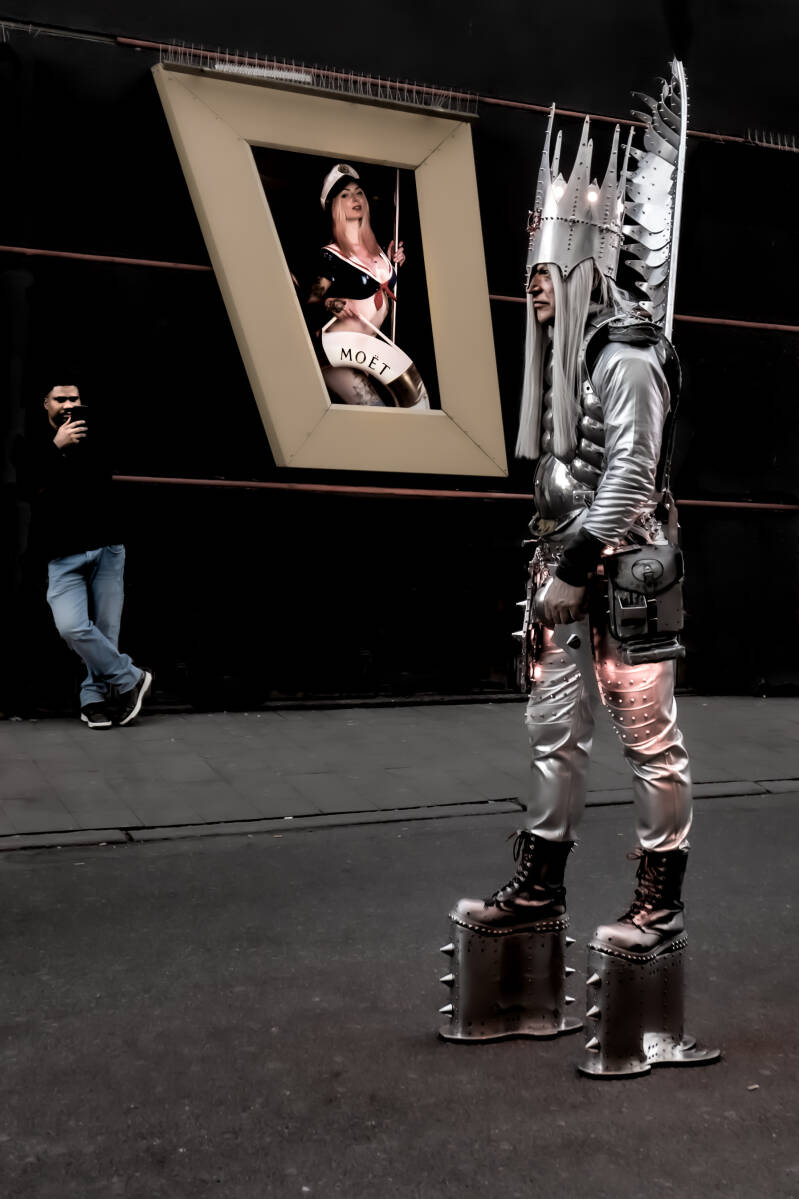
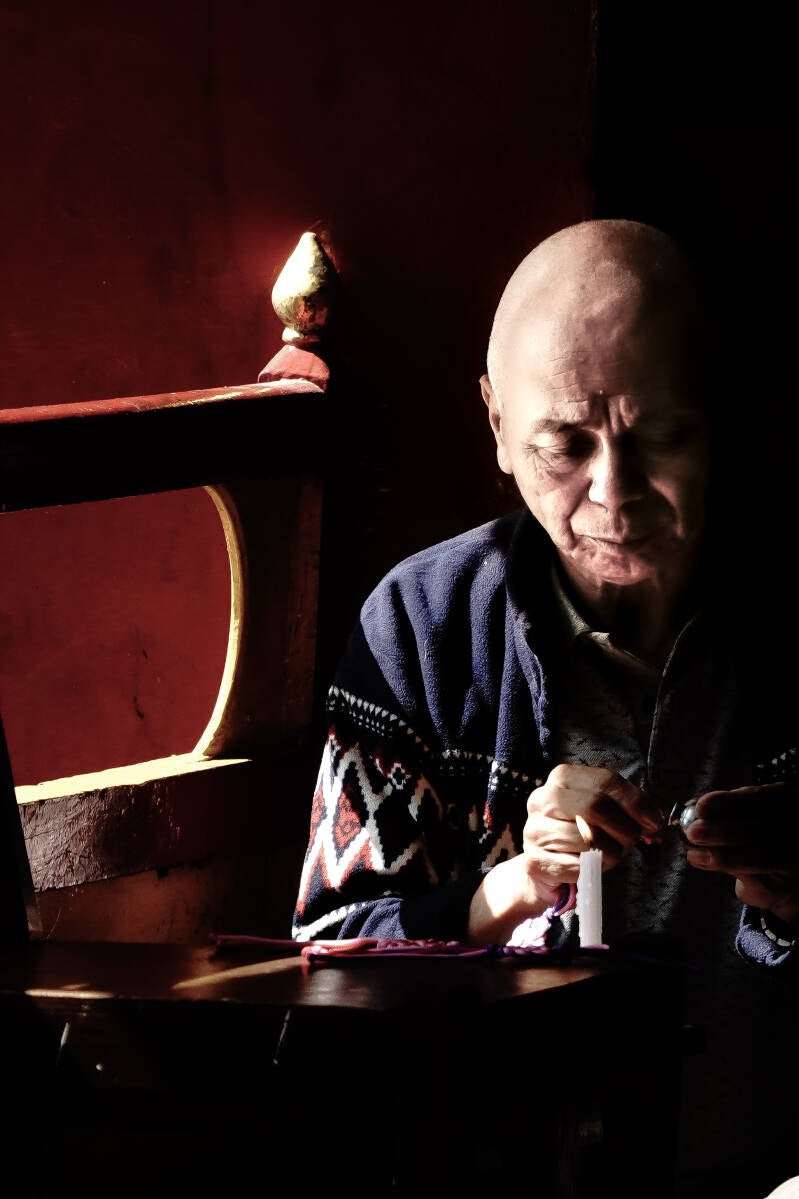
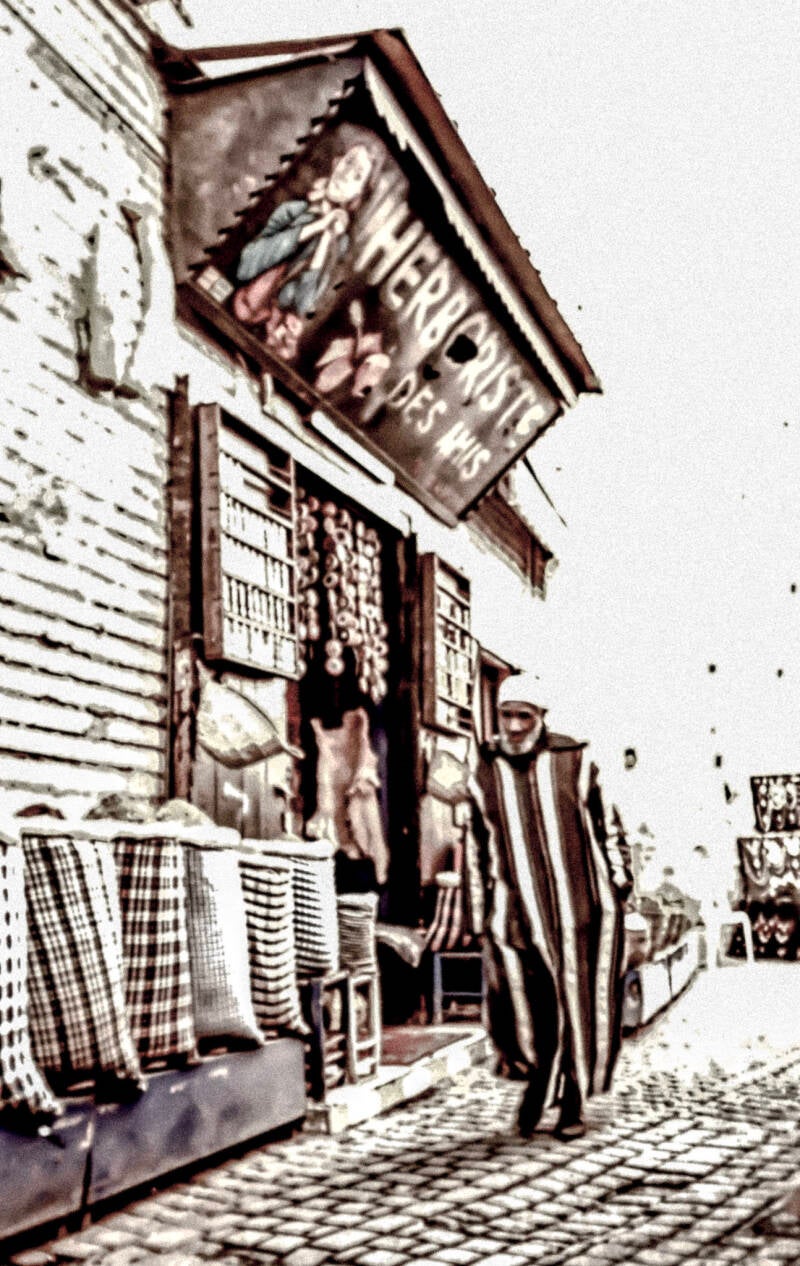
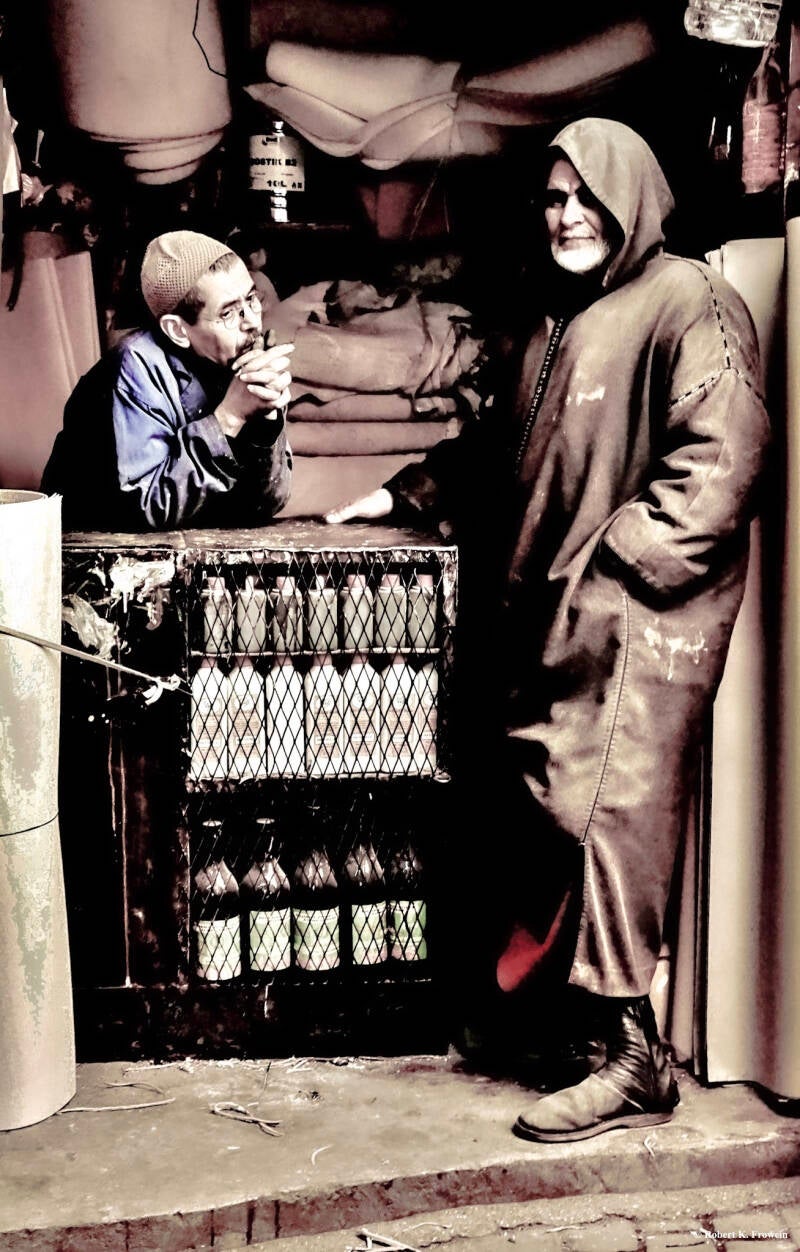
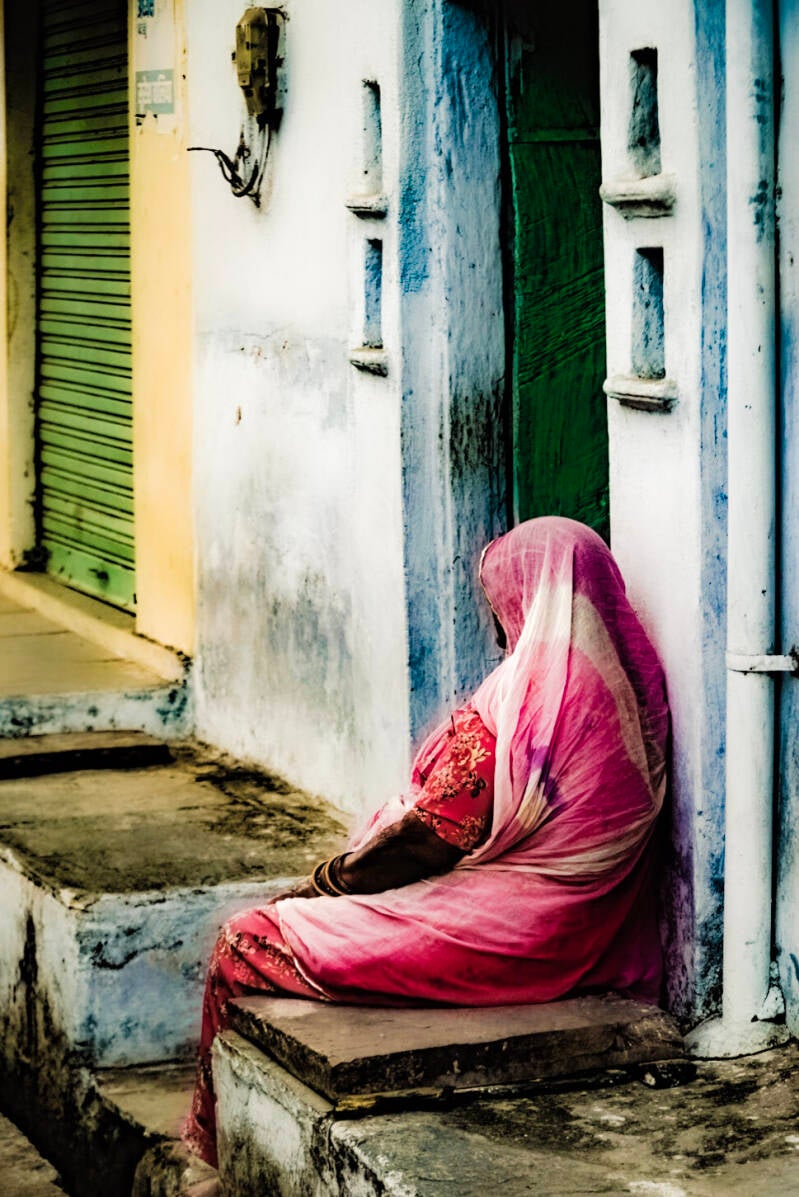
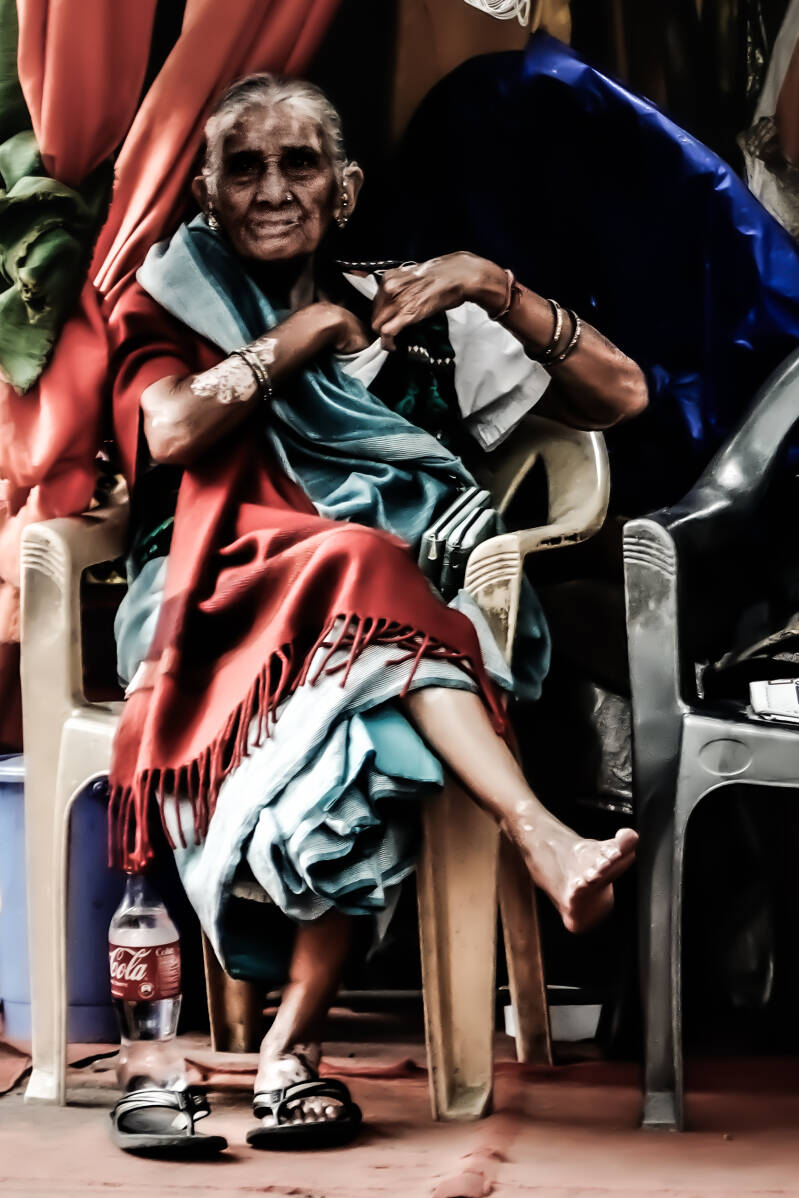
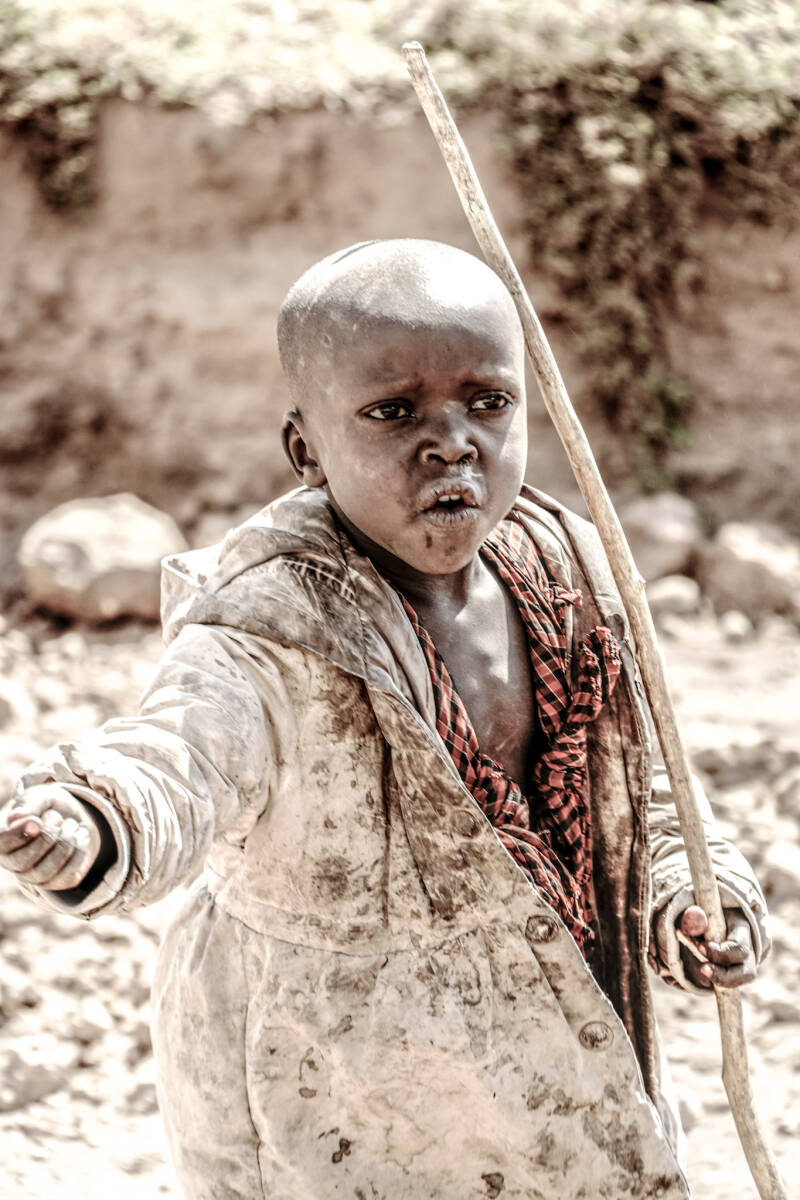
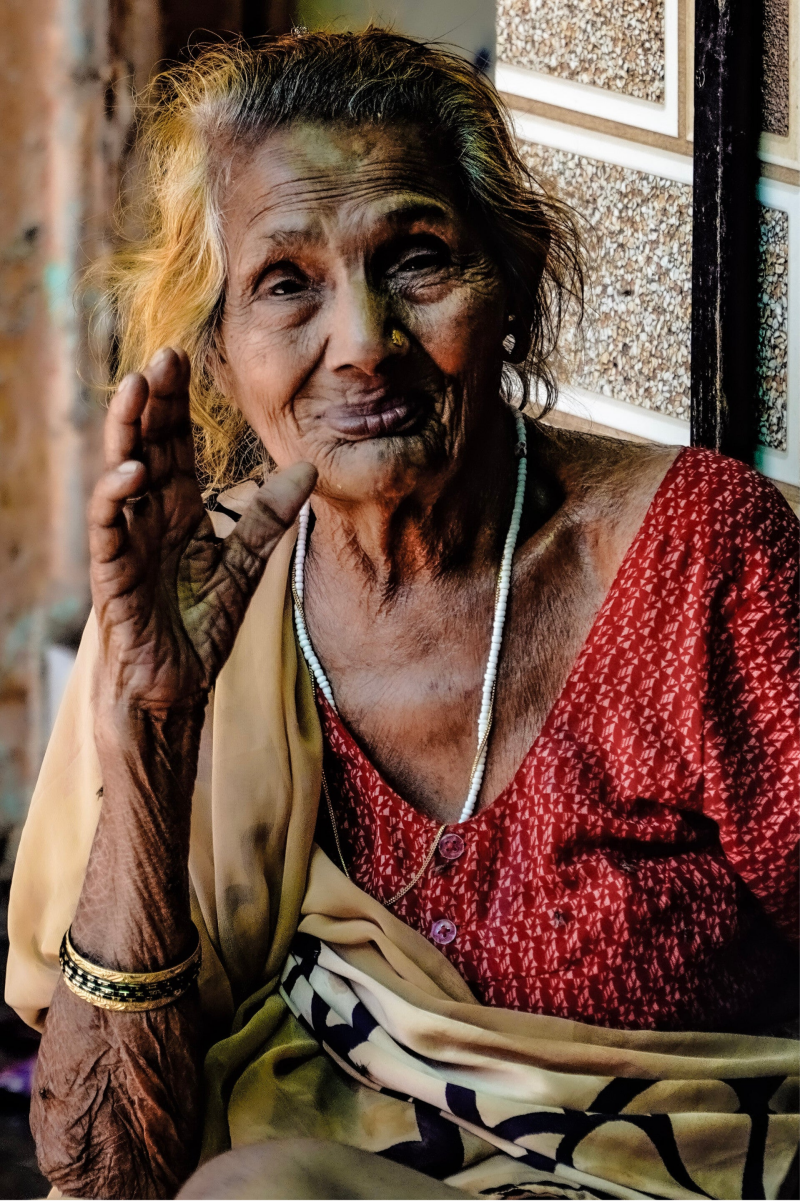
p-magon Fine Art Street Photography combines spontaneous, real and unstaged street scenes with an artistic visual language, created through our own digital editing processing.
What makes the p-magon style so special
p-magon works speak a very own, unique visual language. Characteristic features are the precise image composition, graphic elements, deliberately placed colour accents, atmospheric storytelling and the explicit use of photographic means such as blurring or exaggeration. The aim is not only to capture the moment, but also to interpret it artistically.
p-magon works tell stories, they invite viewers to look closer, discover details, imagine the scenery and thougt-travel beyond the obvious, look again.
p-magon Fine Art Photography is designed for long-term, intensive observation. With every viewing, new details or previously overlooked graphic structures may open up to the viewer.
As a result, the works unfold their effect not only as documents of everyday life, but also as timeless objects of art for living spaces, collections and exhibitions.
How does p-magon Fine Art Street Photography differ from other Street Photography?
Classic street photography mainly looks at displaying the decisive moment as shot. Later editing of the visual language is often perceived negatively as manipulation and falsification of reality. Fair point.
Yet p-magon defines street photography differently: in addition to the authentic moment, the artistic expression of the reproduction plays a central role. The final work is not only intended to show what happened, but above all to awaken joy in the aesthetic visual language, to involve the viewer, to stimulate his imagination – even if the reproduction then no longer corresponds to what the camera had seen at the moment of the recording. p-magon images are often more focussed, sometimes offensive, incommodating, direct.
The decisive difference therefore lies in the artistic interpretation of reality at the moment of recording.
Is p-magon photography about story-telling?
In fact, p-magon strives to stimulate the viewer's imagination facing the image, to invite him to fathom the history of the picture and to think further. Successful Fine Art Street Photography opens up spaces for one's own thoughts, also for exchange and communication. This is intentional.
Are mood and atmospheric impression important in p-magon works?
Mood and atmospheric intensity are essential elements of p-magon imaging.
Light, weather, shadows, colours, movements and the right time of shooting shape the atmosphere of a photograph. The aim is not only to depict a scene, but also to make its emotional impact visible.
p-magon works have an effect – sometimes calm, sometimes thoughtful, sometimes lively, mysterious, stimulating or melancholic, always intense. And it is intentionally enhanced by our digital processing of the original image.
What is the meaning of titles to p-magon works?
p-magon works always come with a title and a title always consists of exactly two terms, usually in English, lowercase, short.
In the simple case, the combination of the two terms creates a reference to the content of the image, but often also a reference to an image detail that may not be recognizable at first glance or an association that opens up new vision. In some cases, the title is in itself a play on words that may stimulate further imagination.
The subtitle for each work is the place where the original photograph was taken, namely city and country.
Why is there a text for every p-magon work?
In fact, every p-magon work comes with a text. In the simple case, this text describes the creation of the original shooting and notes on the presentation. In some cases, there are further, sometimes surprising, sometimes humorous or even critical remarks on the pictorial motifs.
At p-magon, we believe that these texts shall be an integral part of the images shown. For this, each work is accompanied by a printed version of the text. In addition, there is a small QR code on each work, which can be read with the help of a smartphone and displays the text and other information.
How important is image composition to p-magon?
The careful composition of the overall picture is the foundation of every work of p-magon.
Lines, angles, shapes, perspectives, surfaces and lines of sight are deliberately used to direct the viewer's gaze. The composition decides whether a picture looks calm, dynamic, exciting or balanced.
The basic features of the compositions are created at the moment of shooting, and the effect is concentrated and accentuated by subsequent image processing.
Why are graphic elements so important to p-magon?
Graphic elements give a photograph structure and clarity.
Lines, surfaces, shadows, reflections, geometric shapes in any form often form the creative framework. People become part of this graphic composition and enter into a visual dialogue with their surroundings.
What is the importance of colour to p-magon?
For p-magon, colour is key, we would not do Black&White. Yet it is more than a decorative element, it is a deliberately used design tool. In fact, coloring is one of the essential parameters in image processing by p-magon – usually with the aim of reducing colorfulness and emphasizing color accents.
Often, a single coloured surface, a piece of clothing or a reflection of light is enough to guide the viewer's gaze. Accentuated colours create tension, set contrasts and support the emotional effect of a picture.
How does p-magon use blur?
For the reproduction of fleeting moments, sharpness is not mandatory, sometimes even a hindrance. Often, well used blur even enhances the impression. Blurring of movement or slight exaggeration can reinforce the impression of movement, speed or transience. Optical blur, motion blur or grain can enhance the intensity of the display.
Same is true for classic painting: the representation of a scene is always an interpretation, never an exact reflection of reality. For this we are always pleased when viewers say about p-magon works: it looks like painted.
Does p-magon Fine Art Street Photography mean strong image editing?
In almost every case: yes.
Precisely because street photography is created spontaneously and unposed, the original shot is in most cases not as expressive as it can be: the exposure may be too bright or too dark – due to random camera settings, contrasts nay be too strong or too weak, an object may be disturbing here, someone walking through the background of the picture there. There is almost always a need for correction in order to create the haunting effect that makes up the p-magon style.
At p-magon, we do not regard our subsequent corrections as a manipulation of the reality of the image. Rather, we think that any photographic shot is anyway and inevitably already a considerable manipulation and never reality – due to the nature of the medium itself and, of course, also due to the technical peculiarities of the camera used. Against this background, we allow ourselves a consistent implementation of the basic idea: the work of art is created from the combination of recording the special moment and artistic post-processing.
Are p-magon works AI generated?
Never!
But we use AI for digital image editing, in particular Lightroom, an AI-supported tool. The scope of image processing however is always limited to actual image content of the very original images, no AI-generated content is ever used.
Are p-magon scenes still real?
Always and fundamentally: yes.
All our works show real, real situations. People shown were not directed, not positioned and not asked to pose. The authenticity of the moment is preserved.
The art of p-magon is all about developing a photographic, artistic interpretation of this very real moment.